Entering the world of sneaker collecting can be intensely overwhelming. On your first day looking into the hobby, you are immediately bombarded with alien terminology—Deadstock (DS), General Release (GR), Friends & Family (F&F), early links, botters, and shock drops. The constant influx of marketing hype from global sportswear brands is designed to instil FOMO (Fear Of Missing Out), pushing beginners toward impulsive and often expensive decisions.
This guide cuts through the noise. Building a respected and personally fulfilling collection does not require limitless funds or insider connections; it requires discipline, knowledge, and a clearly defined philosophy.
Defining Your Collection Focus
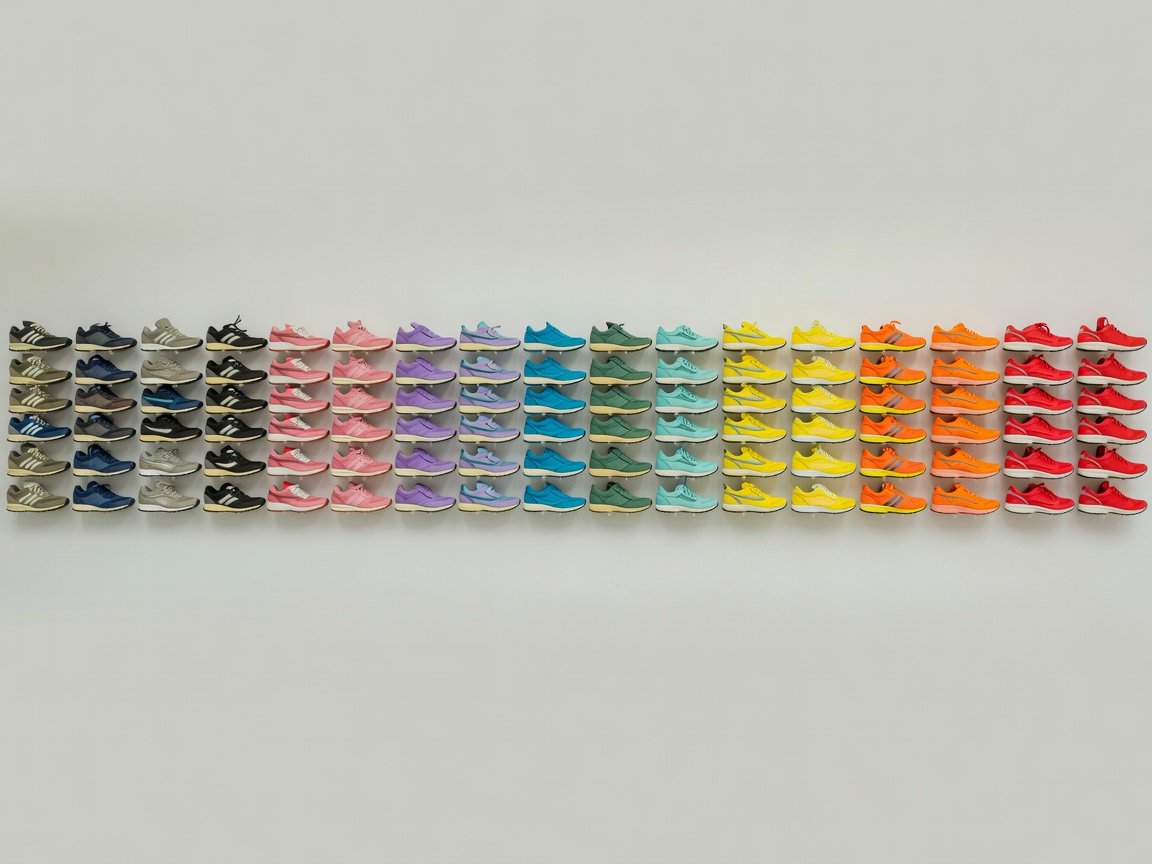
The biggest mistake new collectors make is attempting to buy everything that generates hype. Not only is this financially ruinous, but it results in a disjointed, uninspired collection. The most impressive collections are highly curated and tell a specific story. Before buying your first "grail," sit down and decide what parameters you want to set for your collection.
- Brand Allegiance: Are you fascinated by the history of Nike's Air technology, New Balance's domestic manufacturing, or the sleek terrace culture aesthetics of Adidas?
- Era-Specific: Some collectors solely focus on 1980s basketball silhouettes, 1990s visible tech runners, or early 2000s skate shoes.
- Designer / Collaborator: Focusing on specific cultural touchpoints, such as every shoe released in partnership with a specific boutique or musical artist.
- Material & Construction: Collecting based on premium leathers, sustainable materials, or specific manufacturing locales (e.g., Made in UK/USA).
Setting a Budget and Sourcing
Sneaker collecting operates across two primary markets: retail (primary) and resale (secondary). Navigating both efficiently is vital to maintaining your budget.
The Primary Market (Retail)
Buying at retail means paying the manufacturer's suggested retail price (MSRP). Given the high demand for limited sneakers, securing a pair at retail often feels like winning the lottery. Brands utilise raffle systems via their proprietary apps, and boutique retailers often use third-party drawing software to mitigate automated purchasing bots. The golden rule of retail is persistence. Enter local store raffles, build relationships with boutique staff, and accept that you will lose more often than you win.
The Secondary Market (Resale)
When retail fails, collectors turn to the secondary market. Platforms like StockX, GOAT, and eBay have institutionalised resale, providing authentication guarantees in exchange for transaction fees. While convenient, these platforms determine market value strictly by supply and demand. If a shoe is heavily desired, you will pay a steep premium. To succeed here, patience is required. Prices generally peak on release day due to hype, dip when online orders arrive at buyers' homes (increasing market supply), and slowly rise over the subsequent years.
Understanding the Vocabulary
To participate in communities, forums, or local swap meets, you must speak the language. Misusing terms can immediately out you as a novice, and in a market involving high-value goods, that can make you a target for bad deals.
| Term | Meaning | Context |
|---|---|---|
| DS / Deadstock | Brand new, unworn, factory laced condition. | Crucial for establishing maximum secondary market value. |
| VNDS | Very Near Deadstock. Worn briefly, minimal signs of wear. | Often a way to secure a grail at a slight discount. |
| GR | General Release. High production numbers. | Usually easy to acquire, rarely carries resale value. |
| Grail | A personal ultimate goal shoe, highly coveted and hard to obtain. | Subjective to the collector; not necessarily the most expensive shoe. |
Building Community
The sneaker world is inherently social. While online transactions are sterile and transactional, real-world community building provides the most rewarding aspect of the hobby. Attend local sneaker conventions (Sneaker Cons, Sneaks & Peaks). Join regional Facebook groups or Discord servers. Engaging with older, more experienced collectors will accelerate your knowledge regarding sizing quirks across different models, historical contexts of colourways, and trusted local restoration experts.
Conclusion
Start slowly. Your tastes will inevitably shift during your first two years in the hobby. Avoid purchasing heavily inflated resale items immediately; instead, focus on accessible General Releases that fit your chosen aesthetic. Wear your shoes, learn their histories, and remember that a collection is a marathon, not a sprint.