The proliferation of the secondary sneaker market has unfortunately catalyzed a massive, highly sophisticated counterfeit industry. Gone are the days when fake sneakers featured hilariously misspelled brand names or structural flaws visible from across the street. Today's high-tier replicas utilize unauthorized original materials, stolen factory blueprints, and identical manufacturing equipment. Authenticators must employ a forensic level of detail to ensure they are purchasing legitimate goods.
Authentication is no longer a cursory glance; it is a multi-step verification process encompassing structural checks, material analysis, and digital tools.
The Box and Packaging
Before even looking at the shoe, a seasoned authenticator inspects the packaging. Counterfeit factories heavily invest in the shoe itself but frequently cut corners on the cardboard box, internal tissue paper, and exterior labels.
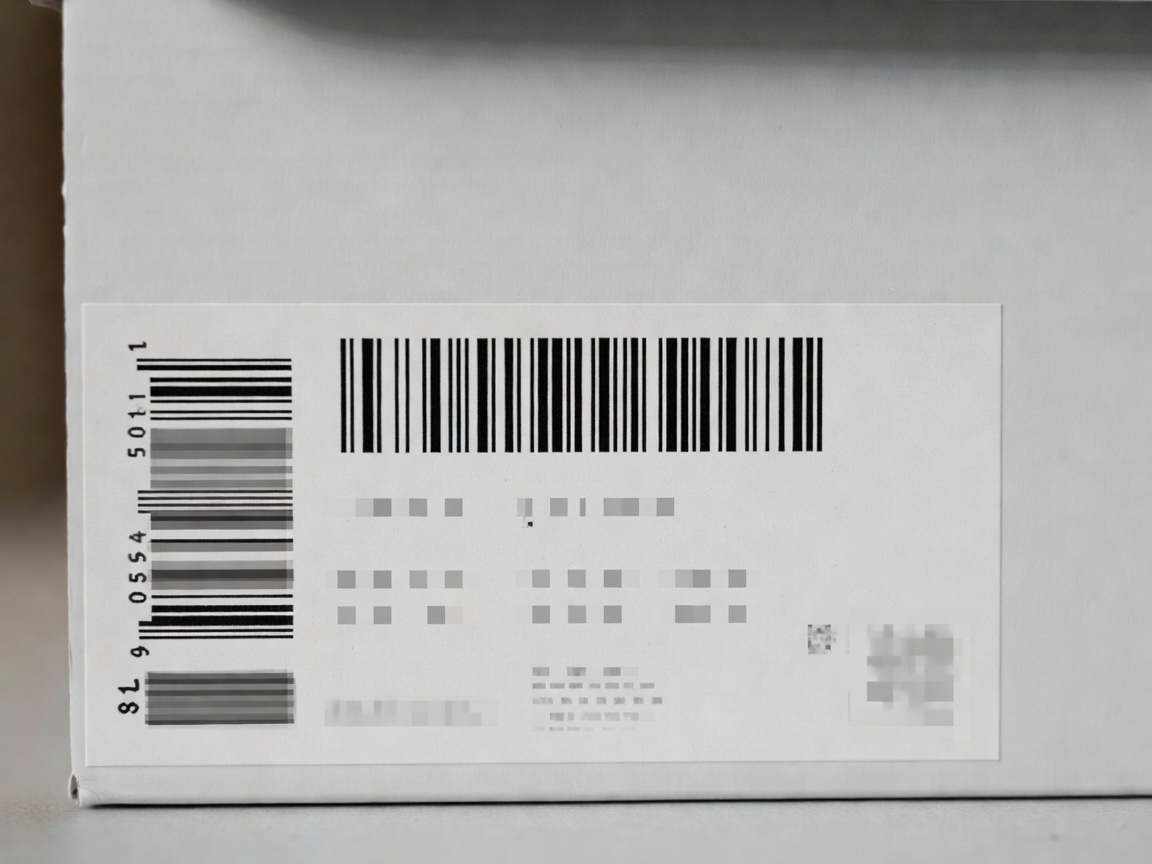
- The Label Font: Counterfeit box labels often struggle to replicate the precise kerning, font weight, and spacing of official brand labels. Retail labels utilize proprietary typography that is notoriously difficult to mimic flawlessly.
- Structural Integrity: Authentic boxes have sharp, rigid edges and specific folding patterns. Replica boxes are often flimsy, prone to crushing during transit, and feature sloppy glue lines on the interior folds.
- Internal Stamps: Many legitimate manufacturers utilize internal quality control (QC) stamps inside the box lid or under the tissue paper. These stamps have specific date formatting and ink viscosity that counterfeiters rarely reproduce accurately.
The Smell Test
It sounds absurd to the uninitiated, but the olfactory check is one of the most reliable frontline defenses against counterfeits. Major sportswear brands utilize specific, regulated adhesives in their factories. High-end replicas, often produced in unregulated facilities, utilize cheaper, highly toxic industrial glues.
An authentic shoe carries a distinct, somewhat pleasant "factory new" scent characterized by premium leather, specific EVA foams, and non-pungent adhesives. A counterfeit shoe frequently smells overwhelmingly of harsh chemicals, akin to spray paint, gasoline, or strong permanent markers. While the smell test is subjective, to an experienced collector, it is a glaring red flag.
Stitching and Material Consistency
The fundamental difference between a retail shoe and a replica often boils down to manufacturing tolerances. Reputable brands mandate strict stitch-per-inch counts and precise panel overlapping. When inspecting a shoe, focus on:
The Midsole Stitching: Remove the insole and inspect the stitching securing the upper to the strobel board. Authentic stitching is tight, evenly spaced, and consistently tensioned. Replica strobel stitching is often erratic, loose, or uses entirely incorrect thread thickness.
Heel Curves and Proportions: Counterfeit manufacturers struggle to replicate the precise ergonomic curvature of a shoe's heel cup. Replicas often feature a "bulky" or perfectly vertical heel, whereas authentic pairs display an hourglass or pear shape when viewed from the back, designed to cup the human Achilles.
Advanced Techniques: UV Light Inspection
A blacklight (UV light) is a non-negotiable tool for the modern sneakerhead. Under UV illumination, various hidden elements of a shoe reveal themselves:
| Element | Under UV Light (Authentic) | Under UV Light (Counterfeit) |
|---|---|---|
| Midsole Glue Lines | Clean, minimal, mostly invisible. | Messy, glowing vividly due to excessive brush application. |
| Stitching Thread | Consistent glow (or lack thereof) across specific panels. | Inconsistent glowing threads interspersed with non-glowing threads. |
| Box Labels | No hidden markings. | Often features invisible ink stamps from counterfeit factories denoting their batch. |
Third-Party Authentication Apps
Even with physical knowledge, having a second opinion is invaluable. The community relies heavily on digital authentication services like LegitApp or CheckCheck. Users submit comprehensive macro photography of the shoe—including the size tag, insole stitching, box label, and overall shape. Within hours, a team of human authenticators cross-references the submitted photos against a massive proprietary database of known retail and replica pairs, providing a verdict.
Conclusion
No single test is definitive. Authentication requires a holistic approach, gathering a preponderance of evidence to make a confident ruling. If a shoe has a flawless shape but smells like toxic glue and features hidden UV stamps on the box, it is a replica. Always trust your intuition; if a deal seems too good to be true, it undoubtedly is.