In the early days of sportswear, athlete endorsements were the sole driver of a silhouette's success. If a legendary player wore a shoe on the hardwood, it sold. However, as sneaker collecting evolved from a niche obsession into a global luxury market, the paradigm shifted. Today, the most culturally significant and financially valuable releases are born from collaborations—partnerships between legacy sportswear brands and external creatives, boutiques, musicians, or high-fashion houses.
Collaborations act as cultural cross-pollination. They inject fresh, subversive design language into heritage silhouettes that might otherwise feel stagnant. More importantly, they merge disparate fanbases, bridging the gap between skate culture, haute couture, and hip-hop.
The Pioneers: Boutiques and Skate Shops
The modern collaborative era traces its roots to the early 2000s, pioneered largely by specialized skate shops and global streetwear boutiques. Brands realized that to build authentic credibility within underground subcultures, they needed to partner with the tastemakers who controlled those spaces.
These early partnerships were characterized by radical material shifts. Standard leathers were replaced with ostrich skin textures, rough suedes, denim, and even tweed. The colorways were aggressive and told highly localized stories—paying homage to a city's public transport system, a local mythical creature, or a specific musical era. These releases were notoriously difficult to obtain, often sold strictly via in-store campouts, fostering a sense of localized exclusivity that laid the groundwork for today's hype mechanics.
The High-Fashion Intersection
For decades, traditional luxury fashion houses viewed sportswear as beneath them. Sneakers were purely utilitarian. This barrier shattered completely in the late 2010s when luxury brands recognized the intense brand loyalty and spending power of the streetwear demographic.
When Parisian luxury houses began collaborating directly with athletic brands, it legitimized the sneaker as a luxury object. These projects took mass-market athletic silhouettes and reconstructed them using Italian leathers, bespoke tailoring techniques, and astronomical retail prices. The resulting products dissolved the boundaries between a runway show and a sporting goods store, forcing the wider fashion industry to acknowledge the cultural supremacy of the sneaker.
The Musician as Designer
While athletes historically sold shoes based on performance metrics, musicians—particularly in the hip-hop space—sold lifestyle. Recognizing that artists dictate global youth trends far more effectively than traditional athletes, brands shifted their collaboration budgets toward musicians.
These partnerships allowed artists complete creative control, redesigning the architecture of the shoes rather than merely applying a new colorway. This era proved that a charismatic figure could create an entirely new, deeply personal aesthetic language that resonates globally, generating releases that dominate both retail charts and secondary market valuations.
Fads vs. Timeless Collaborations
As the market saturates, not all collaborations are created equal. The industry frequently suffers from "collab fatigue," where brands slap a logo on a basic colorway and market it as a limited project. A truly timeless collaboration requires friction and innovation.
- Storytelling: Does the shoe have a genuine narrative reason to exist? The best collaborations pull reference from historical events, architecture, or deep subcultural lore.
- Material Innovation: Is the partner pushing the factory to utilize materials in ways the core brand never would on a general release?
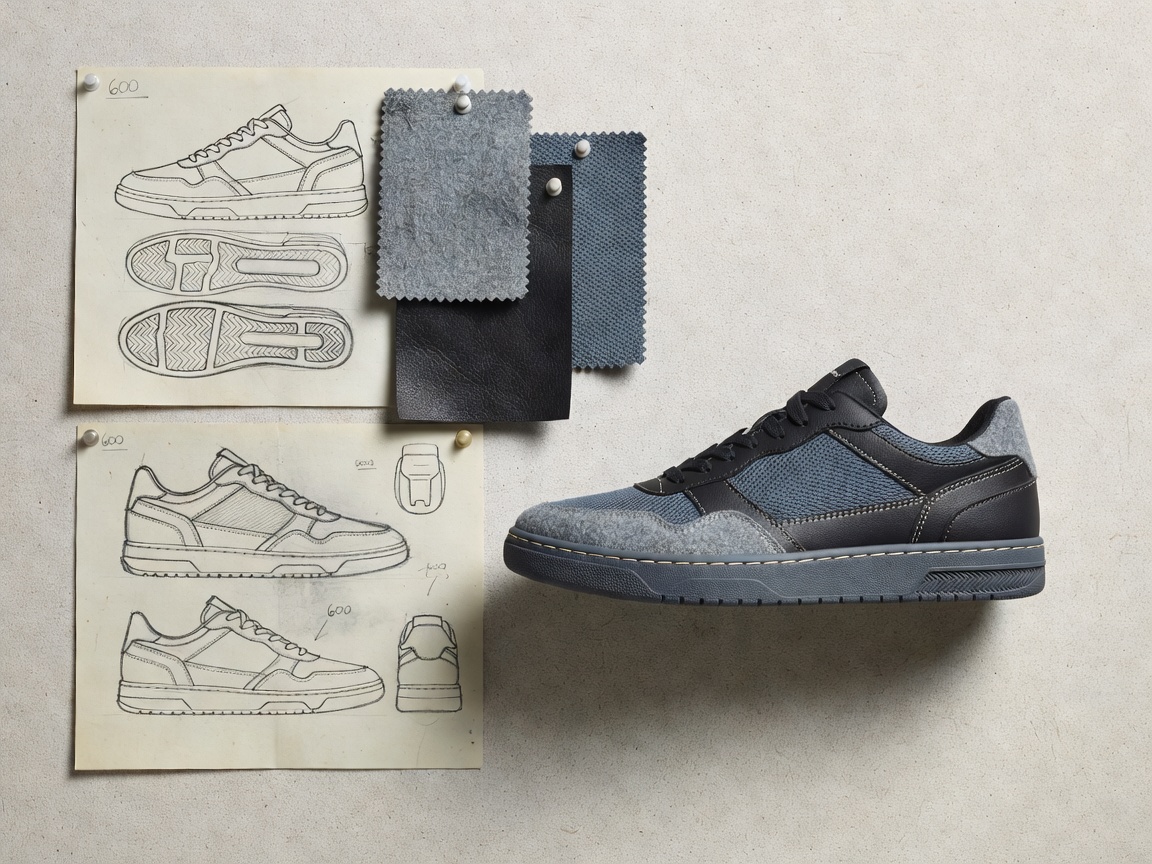
- Silhouette Alteration: Slapping a new color on an old shoe is easy. Altering the paneling, exposing the foam, or changing the lacing system requires genuine design intent.
Conclusion
Collaborations are the heartbeat of modern sneaker culture. They serve as time capsules, representing the specific moment when two distinct cultural forces collided to create a wearable piece of art. For collectors, owning these pairs is about owning a fragment of that historical moment.